
Professional Care at Foster Foot Care Clinic
Fungal nail infections, also known as onychomycosis, are a common foot condition that can cause nails to become thick, discoloured, brittle, and difficult to manage. While often painless at first, fungal nails can worsen over time and may lead to discomfort, secondary infections, or complications—especially for individuals with diabetes.
At Foster Foot Care Clinic, we provide professional assessment and treatment options to help manage fungal nail infections and improve nail health safely and effectively.
What Is a Fungal Nail Infection?
A fungal nail infection occurs when fungi enter the nail through small cracks or separations between the nail and nail bed. Toenails are more commonly affected than fingernails due to warm, moist environments inside shoes.
Fungal nail infections can be persistent and often require professional care for proper management.
Common Causes of Fungal Nails
Fungal nail infections may develop due to:
- Walking barefoot in communal areas (locker rooms, pools, gyms)
- Excessive sweating or moisture around the feet
- Wearing tight or non-breathable footwear
- Nail trauma or injury
- Poor circulation
- Weakened immune system
- Diabetes or other chronic health conditions
- Untreated athlete’s foot spreading to the nails
Signs and Symptoms of Fungal Nails
Symptoms may vary but commonly include:
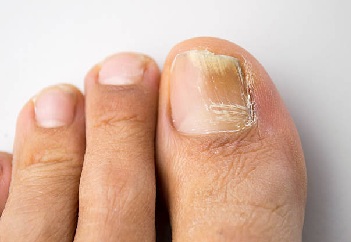
- Yellow, white, or brown nail discolouration
- Thickened or brittle nails
- Crumbling or distorted nail shape
- Nails lifting from the nail bed
- Difficulty trimming nails
- Mild discomfort or pressure in shoes
- Odour in advanced cases
If you notice changes in your toenails, early treatment can help prevent the infection from spreading or worsening.
💡 Toenail fungus can cause nails to become thick, discoloured, brittle, and difficult to trim.
Fungal Nail Treatment Options
Treatment depends on the severity of the infection and your overall foot health. At Foster Foot Care Clinic, we offer professional care and guidance, which may include:
- Debridement (thinning and trimming) of thickened nails to reduce discomfort and improve appearance
- Topical treatment recommendations when appropriate
- Education and prevention strategies to reduce reinfection
- Referral to a physician if oral medication may be required
- Ongoing monitoring, especially for diabetic or high-risk patients
While fungal nail infections can be challenging to fully eliminate, professional care can significantly improve nail health and comfort.
Fungal Nail Care for Patients With Diabetes
If you have diabetes, fungal nail infections require special attention. Thickened or infected nails can increase the risk of pressure sores, skin breakdown, and infection.
We provide safe, preventative fungal nail care for patients with diabetes, focusing on nail reduction, skin protection, and early detection of complications.
Can Fungal Nails Be Prevented?
You can reduce your risk by:
- Keeping feet clean and dry
- Changing socks daily
- Wearing breathable footwear
- Avoiding barefoot walking in public areas
- Treating athlete’s foot promptly
- Disinfecting nail tools and footwear
- Attending regular foot care appointments
When to See a Chiropodist
You should book an appointment if:
- Nail changes persist or worsen
- Nails become painful or difficult to trim
- Multiple nails are affected
- You have diabetes or circulation issues
- Over-the-counter treatments have not helped
Early professional care can prevent long-term complications.
Book Fungal Nail Treatment in Fonthill
If you’re concerned about fungal nails, our clinic is here to help.
📍 Foster Foot Care Clinic – Fonthill, Ontario
📞 Call 289-897-8366 or book your appointment online today.